This environmental calendar highlights key international dates that raise awareness and inspire action for the protection of our planet. It serves as a guide for individuals, communities, and organizations to engage in meaningful environmental initiatives throughout the year.
26 JANUARY
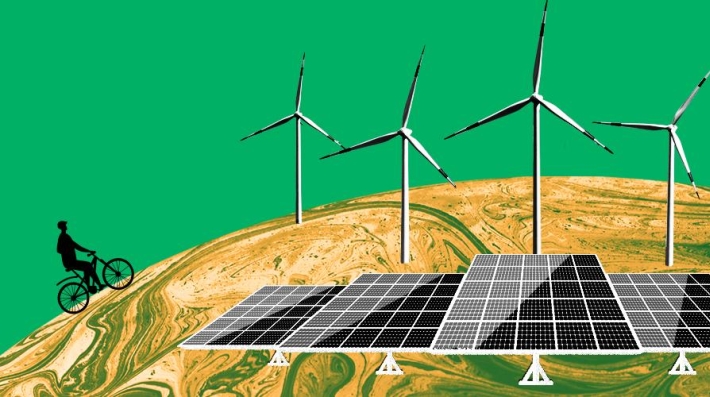
International Day of Clean Energy
The International Day of Clean Energy is a call to raise awareness and mobilize action for a just and inclusive transition to clean energy for the benefit of people and the planet. The science is clear: to limit climate change, we need to end our reliance on fossil fuels and invest in alternative sources of energy that are clean, accessible, affordable, sustainable, and reliable.
26 February
International Day of the Arabian Leopard
The International Day of the Arabian Leopard seeks to restore the Arabian Leopard as a flagship species for conservation in its natural habitat, while emphasising the critical role of biodiversity in maintaining the health and resilience of our planet’s ecosystems.
01 march
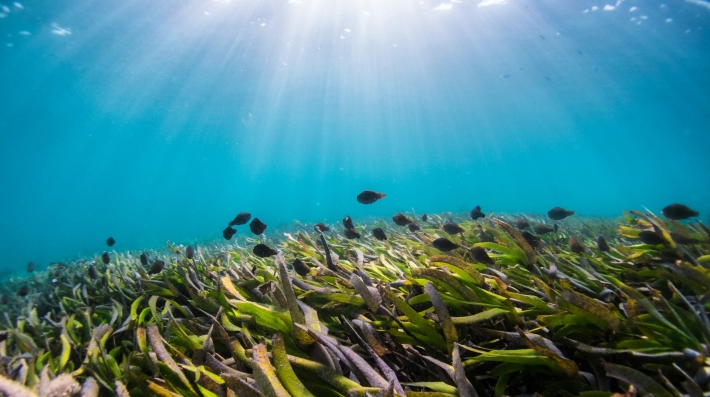
World Seagrass Day
World Seagrass Day highlights the urgent need to raise awareness at all levels and to promote and facilitate actions for the conservation of seagrasses in order to contribute to their health and development, bearing in mind that enhancing ecosystem services and functions is important for the achievement of the Sustainable Development Goals.
03 march
World Wildlife Day
A global day to celebrate and raise awareness of the world’s wild animals and plants, highlighting their importance for ecosystems, biodiversity, and human well-being.
18 march
Global Recycling Day
A day dedicated to promoting the importance of recycling in preserving natural resources, reducing waste, and supporting a more sustainable and circular economy.
21 march
Forests International Day
This day raises awareness about the vital role of forests in sustaining life on Earth and encourages efforts such as tree planting and forest conservation
22 march
World Water Day
A global observance highlighting the importance of freshwater and advocating for the sustainable management of water resources for all.
30 MARCH
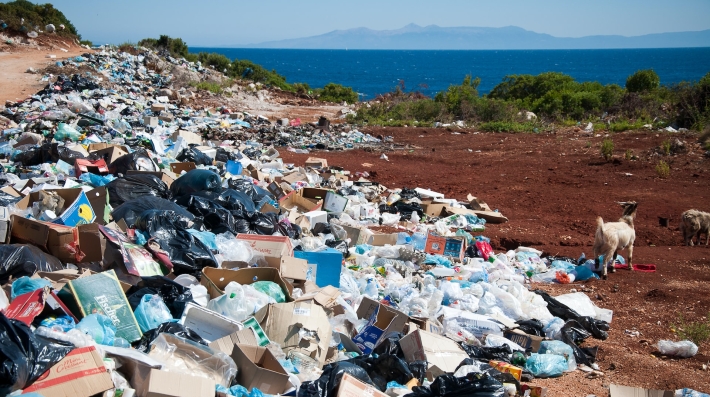
International Day of Zero Waste
The International Day of Zero Waste aims to promote sustainable consumption and production patterns and raise awareness about how zero-waste initiatives contribute to the advancement of the 2030 Agenda for Sustainable Development.
22 APRIL
International Mother Earth Day
International Mother Earth Day provides an opportunity to raise global public awareness of the challenges to the well-being of the planet and all the life it supports. The Day also recognizes a collective responsibility, as called for in the 1992 Rio Declaration, to promote harmony with nature and the Earth, to achieve a just balance among the economic, social, and environmental needs of the present and future generations of humanity.
10 MAY
World Migratory Bird Day
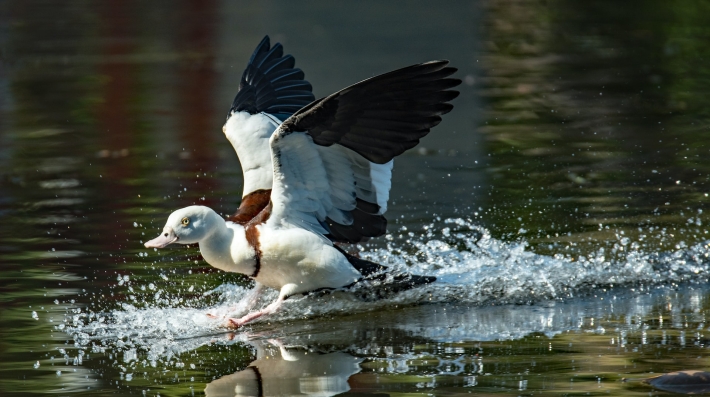
World Migratory Bird Day is an annual awareness-raising campaign highlighting the need for the conservation of migratory birds and their habitats. It has a global outreach and is an effective tool to help raise global awareness of the threats faced by migratory birds, their ecological importance, and the need for international cooperation to conserve them. The day is observed twice a year; in May and October.
22 MAY
International Day for Biological Diversity
The United Nations has proclaimed 22 May the International Day for Biological Diversity to increase understanding and awareness of biodiversity issues. Biological diversity is often understood in terms of the wide variety of plants, animals, and microorganisms, but it also includes genetic differences within each species and the variety of ecosystems that host multiple kinds of interactions among their members (humans, plants, animals).
24 MAY
International Day of the Markhor
The markhor was categorized as “near threatened” in 2014 and is on the International Union for Conservation of Nature Red List of Threatened Species. Preserving the markhor and its natural habitat is an ecological imperative and a significant opportunity to bolster the regional economy, foster conservation efforts and promote sustainable tourism and economic growth and that conservation efforts will benefit the ecosystem.
27 august
World Lake Day
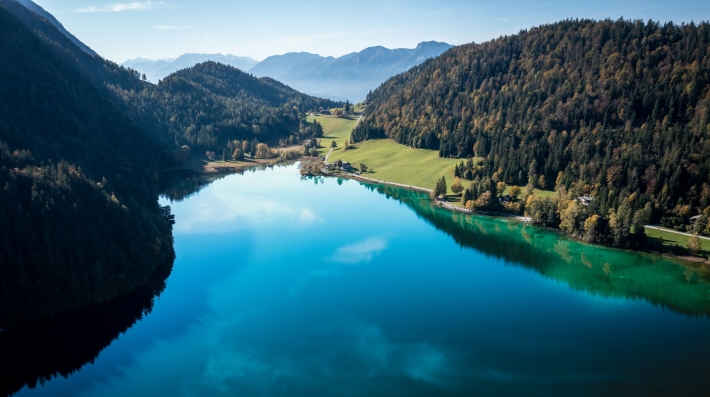
Lakes are one of the most vital natural resources on our planet. They serve as a crucial source of fresh water, play a key role in maintaining biodiversity, contribute to climate regulation, and provide recreational and economic opportunities. World Lake Day aims to raise awareness of the importance of lakes and the sustainable management of lake and related ecosystems.
07 SEPTEMBER
International Day of Clean Air
92% of our world is exposed to polluted air causing an estimated 7 million premature deaths every year. Air pollution is an environmental risk to human health and an avoidable cause of death and disease worldwide.
20 SEPTEMBER
World Cleanup Day
Our global civic action that mobilizes millions of people to clean up waste, raise awareness about pollution, and inspire long-term environmental change through collective action
29 SEPTEMBER
International Day of Awareness of Food Loss and Waste
The International Day of Awareness of Food Loss and Waste makes a clear call to action for public and private entities, from across the food system, and consumers to work together to cut food loss and waste to mitigate climate change, and support food security and nutrition.
23 OCTOBER
International Day of the Snow Leopard
International Day of the Snow Leopard was proclaimed to enhance international and regional cooperation in support of efforts to conserve the snow leopard, given its role in the overall ecosystem. The greatest threats to the survival of the snow leopard are habitat loss and fragmentation, prey depletion and illicit trafficking, illegal hunting, including poaching, and climate change.
06 NOVEMBER
The International Day for Preventing the Exploitation of the Environment in War and Armed Conflict
The International Day for Preventing the Exploitation of the Environment in War and Armed Conflict is an opportunity to recognize the environment as yet another victim of war. It is also an opportunity to take steps to reduce the collateral damage of conflicts and protect the natural resources that are so crucial for sustainable development.